
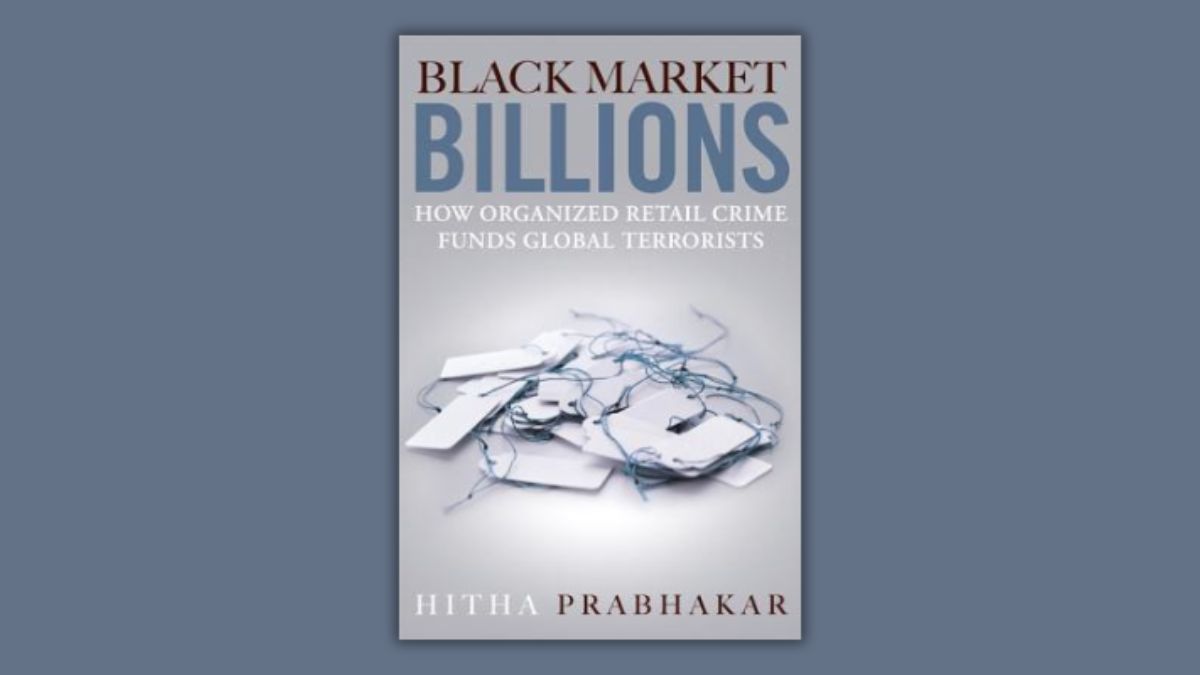
Hitha Prabhakar’s Black Market Billions is an eye-opening investigation into the dark underbelly of organized retail crime (ORC) and its startling connections to global terrorism. Published in 2011, the book unpacks how seemingly minor shoplifting and retail theft incidents contribute to massive criminal networks that support terrorism and other illicit activities worldwide. Prabhakar, a journalist and expert on retail crime, uses her firsthand research and interviews with law enforcement and intelligence agencies to present a compelling, often disturbing narrative.
Prabhakar begins by demystifying the retail crime scene, explaining how it operates on multiple levels and affects various sectors. She reveals that organized retail crime is more than just a local nuisance; it’s a sophisticated and global enterprise that siphons billions of dollars from economies. Prabhakar explains that products stolen from retail stores, from designer clothes to electronics, are often moved through complex networks that eventually fund larger criminal operations. These illicit profits may end up supporting terrorist organizations, making a direct connection between local crimes and global security threats.
One of the book’s key strengths is how it contextualizes ORC within the broader framework of international crime. Prabhakar’s narrative takes readers through various hotspots of ORC activities, such as Mexico, India, and the Middle East, illustrating how each region plays a role in this vast global network. Her interviews with criminals, law enforcement agents, and former intelligence officials enrich the book, bringing authenticity to her findings and highlighting the pressing need for international cooperation in tackling ORC.
What’s particularly effective in Black Market Billions is how Prabhakar makes a complex issue accessible to the general reader. She combines hard-hitting facts with real-life stories to make a potentially dry topic come alive. The reader is left with a sense of urgency about the scale of organized retail crime and its implications for ordinary consumers, who may unknowingly purchase goods tied to this dark industry.
However, some readers might find the book a bit repetitive at points, as it dives deeply into the minutiae of specific ORC operations and techniques. While these details serve to illustrate the scale and sophistication of ORC, they can occasionally overwhelm the narrative flow.
Overall, Black Market Billions is a compelling, thought-provoking read that sheds light on an often-overlooked aspect of global crime. Prabhakar not only informs but also urges readers to reconsider their consumer habits and recognize the broader implications of organized retail crime. This book is a must-read for anyone interested in true crime, global economics, or the hidden forces that shape global security.


0 Comments